
Cara Membandingkan Merek Alat Fitness Home Gym secara Objektif

Published on August 19, 2026 By Johnson Fitness Commercial Team

For those planning a home gym, choosing a fitness equipment brand can often feel like navigating a maze of brochures. Naturally, every brand presents its products in the best possible light. When faced with dozens of competing technical specifications, comparing brands involves more than just looking at price lists; it requires a fair framework to evaluate the true value of a piece of equipment. Here are three complementary approaches.

1. Ensure an “Apple-to-Apple” Comparison

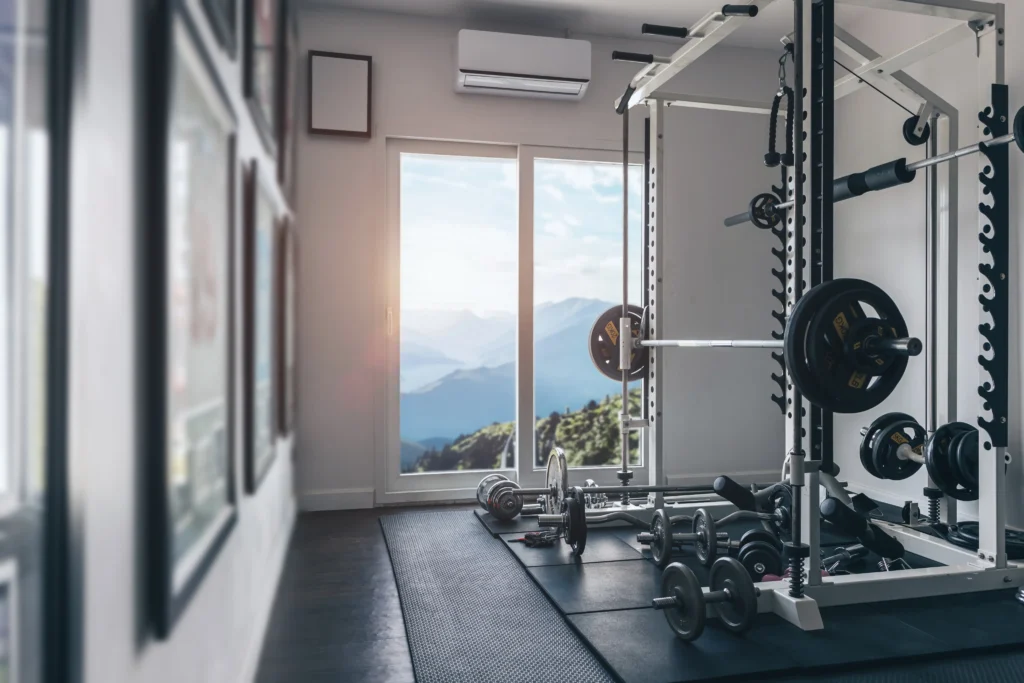
A common mistake when reading reviews or comparing catalogs is pitting two products against each other that differ fundamentally in their target market and design purpose. An industrial-style steel rack built to withstand the extreme loads of powerlifting possesses vastly different characteristics than a versatile machine designed specifically for space efficiency and muscle isolation. Comparing the two directly—and then declaring one “better”—is inherently unfair, as they were created to solve different problems.

Before dissecting specifications, ensure the two candidates are in the same league. If space efficiency is the goal, compare two options that prioritize compact design. If durability for heavy lifting is the priority, compare two options that specialize in that category. A fair comparison is only possible when the playing field is level from the start—rather than comparing strengths across different categories and forcing a winner.

2. Examine the Brand’s History and Foundation

A brand’s longevity isn’t everything, but it is highly informative. Brands that have been operating for a long time—especially those serving commercial markets like gyms and hotels alongside the home market—usually have a more traceable track record. This offers a product history spanning generations for comparison, as well as proven experience in handling usage volumes far heavier than typical home use. What warrants caution isn’t the new brand itself—a new brand might well offer excellent products—but rather a brand that appears new yet claims to have been “trusted for years” without clearly demonstrating its history. An easy way to verify this is to find out when the brand officially entered the relevant market and whether information regarding its products from several years ago is still available. Such details indicate a brand with a genuine, long-standing track record, rather than merely a new identity superimposed on an obscure history.

It is also worth looking beyond a brand’s name and founding date to examine its underlying foundations—specifically, how its products are actually manufactured. Some brands design and develop their products from scratch using facilities under their direct control, while others partner with specialized manufacturing facilities that serve multiple brands simultaneously. It is not a matter of which approach is automatically superior; specialized manufacturing facilities can certainly maintain excellent production standards. The deciding factor is not the production model itself, but the brand’s transparency regarding its manufacturing processes and the consistency of quality it maintains over time.

A more practical approach is to ask directly: does the brand design its own products or partner with specific manufacturing facilities, and how long has it maintained consistent quality standards across successive product generations? Quality consistency across product generations is often a more reliable indicator than unilateral claims of “best quality.”

3. Align the Brand Message with Personal Preferences

Once you have confirmed that two candidates are functionally comparable and share a solid, reliable foundation, the next step is to consider the personal aspect. Purchasing home exercise equipment is not merely about mechanical specifications; it is also about character alignment. Every brand possesses its own unique message and visual identity.

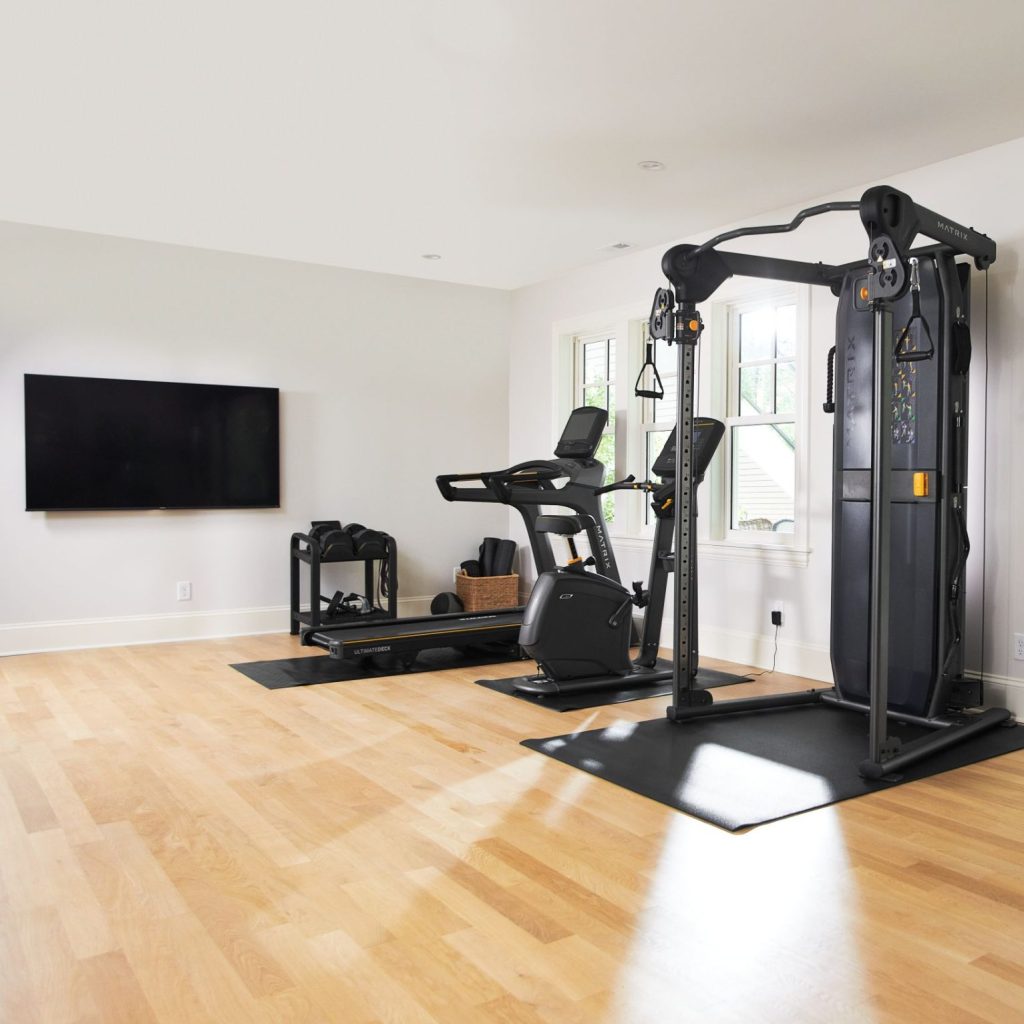
For instance, some brands position themselves around performance and raw power—typically featuring robust designs, bold colors, and a masculine aesthetic reminiscent of professional athletic training facilities. Conversely, other brands champion a message of lifestyle balance and wellness, offering elegant, minimalist designs that blend seamlessly with modern home interiors. There is no right or wrong choice here; it ultimately comes down to personal preference.

This consideration goes beyond mere aesthetic taste. In branding psychology, there is a concept known as “self-congruity”—the idea that the more a brand’s values ​​and character align with an individual’s self-image, the stronger the attraction and emotional connection to that brand. Applied to home exercise equipment, this means that character alignment isn’t just about how good the room looks; it also influences the likelihood of long-term usage. Equipment that feels “in sync” with the user’s identity encourages consistent use, whereas equipment that is technically perfect but feels at odds with the user’s desired self-image is less likely to inspire a routine workout habit.

A question worth asking yourself is: when you step into your home workout space, what kind of atmosphere best motivates you to train consistently? Choose a brand whose visual identity and message resonate with your daily lifestyle—because equipment that is technically flawless but feels disconnected from your home environment will ultimately struggle to motivate you to use it regularly.

These three approaches complement one another rather than standing in isolation.

They are intentionally structured as a sequence: first, ensure a fair, like-for-like comparison; next, examine the underlying foundations and track record; and finally, consider personal fit. Relying on just one aspect risks leading to an incomplete decision—such as choosing a product solely for its attractive design without verifying the fundamentals, or conversely, focusing too heavily on technical specifications while overlooking whether the tool will actually feel motivating to use on a daily basis.
Recent Post

Published on August 19, 2026 By Johnson Fitness Commercial Team

For those planning a home gym, choosing a fitness equipment brand can often feel like navigating a maze of brochures. Naturally, every brand presents its products in the best possible light. When faced with dozens of competing technical specifications, comparing brands involves more than just looking at price lists; it requires a fair framework to evaluate the true value of a piece of equipment. Here are three complementary approaches.

1. Ensure an “Apple-to-Apple” Comparison

A common mistake when reading reviews or comparing catalogs is pitting two products against each other that differ fundamentally in their target market and design purpose. An industrial-style steel rack built to withstand the extreme loads of powerlifting possesses vastly different characteristics than a versatile machine designed specifically for space efficiency and muscle isolation. Comparing the two directly—and then declaring one “better”—is inherently unfair, as they were created to solve different problems.

Before dissecting specifications, ensure the two candidates are in the same league. If space efficiency is the goal, compare two options that prioritize compact design. If durability for heavy lifting is the priority, compare two options that specialize in that category. A fair comparison is only possible when the playing field is level from the start—rather than comparing strengths across different categories and forcing a winner.

2. Examine the Brand’s History and Foundation

A brand’s longevity isn’t everything, but it is highly informative. Brands that have been operating for a long time—especially those serving commercial markets like gyms and hotels alongside the home market—usually have a more traceable track record. This offers a product history spanning generations for comparison, as well as proven experience in handling usage volumes far heavier than typical home use. What warrants caution isn’t the new brand itself—a new brand might well offer excellent products—but rather a brand that appears new yet claims to have been “trusted for years” without clearly demonstrating its history. An easy way to verify this is to find out when the brand officially entered the relevant market and whether information regarding its products from several years ago is still available. Such details indicate a brand with a genuine, long-standing track record, rather than merely a new identity superimposed on an obscure history.

It is also worth looking beyond a brand’s name and founding date to examine its underlying foundations—specifically, how its products are actually manufactured. Some brands design and develop their products from scratch using facilities under their direct control, while others partner with specialized manufacturing facilities that serve multiple brands simultaneously. It is not a matter of which approach is automatically superior; specialized manufacturing facilities can certainly maintain excellent production standards. The deciding factor is not the production model itself, but the brand’s transparency regarding its manufacturing processes and the consistency of quality it maintains over time.

A more practical approach is to ask directly: does the brand design its own products or partner with specific manufacturing facilities, and how long has it maintained consistent quality standards across successive product generations? Quality consistency across product generations is often a more reliable indicator than unilateral claims of “best quality.”

3. Align the Brand Message with Personal Preferences

Once you have confirmed that two candidates are functionally comparable and share a solid, reliable foundation, the next step is to consider the personal aspect. Purchasing home exercise equipment is not merely about mechanical specifications; it is also about character alignment. Every brand possesses its own unique message and visual identity.

For instance, some brands position themselves around performance and raw power—typically featuring robust designs, bold colors, and a masculine aesthetic reminiscent of professional athletic training facilities. Conversely, other brands champion a message of lifestyle balance and wellness, offering elegant, minimalist designs that blend seamlessly with modern home interiors. There is no right or wrong choice here; it ultimately comes down to personal preference.

This consideration goes beyond mere aesthetic taste. In branding psychology, there is a concept known as “self-congruity”—the idea that the more a brand’s values ​​and character align with an individual’s self-image, the stronger the attraction and emotional connection to that brand. Applied to home exercise equipment, this means that character alignment isn’t just about how good the room looks; it also influences the likelihood of long-term usage. Equipment that feels “in sync” with the user’s identity encourages consistent use, whereas equipment that is technically perfect but feels at odds with the user’s desired self-image is less likely to inspire a routine workout habit.

A question worth asking yourself is: when you step into your home workout space, what kind of atmosphere best motivates you to train consistently? Choose a brand whose visual identity and message resonate with your daily lifestyle—because equipment that is technically flawless but feels disconnected from your home environment will ultimately struggle to motivate you to use it regularly.

These three approaches complement one another rather than standing in isolation.

They are intentionally structured as a sequence: first, ensure a fair, like-for-like comparison; next, examine the underlying foundations and track record; and finally, consider personal fit. Relying on just one aspect risks leading to an incomplete decision—such as choosing a product solely for its attractive design without verifying the fundamentals, or conversely, focusing too heavily on technical specifications while overlooking whether the tool will actually feel motivating to use on a daily basis.

Recent Post

Scroll to Top